How does AI-powered matching work at events?

Eventiqs is a modular event platform: it combines registration, program, travel, floor plan, photo sharing, AI-powered matching, meeting requests and messaging, speed networking, QR connections, business card scanning, exhibitor profiles, sponsor ad placements, the organizer panel, communications and analytics as modules in one app, and organizers turn on the modules their event needs. Across the industry, AI-powered platforms simplify exhibitor challenges by delivering actionable insights, organizing lead capture, and optimizing booth performance. Here's what AI technology brings to trade shows:
- Smart Booth Placement: Uses AI to analyze traffic patterns and attendee behavior for better visibility.
- Real-Time Analytics: Shows meetings, connections, and messages as they happen, enabling on-the-spot strategy adjustments.
- Contact Capture and Export: QR and business card scans save every lead with notes, and the list exports to Excel in a layout a CRM can import.
- Predictive Insights: Anticipates visitor behavior to help exhibitors prepare effectively.
- Floor Plan: The floor plan marks the booth or hall a visitor searches for, so the right people find you.
- AI Matchmaking: Connects exhibitors with the right prospects using attendee data.
AI-powered platforms also offer tools for pre-event matching, lead capture by QR code and business card, and contact export, helping exhibitors see measurable results. By focusing on data-driven decisions, they turn trade shows into opportunities for growth and efficiency.
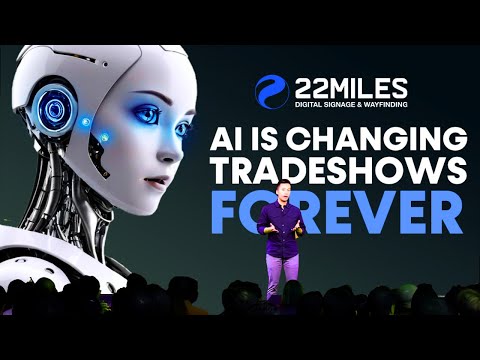
How AI Is Changing The TradeShow Experience
Core AI Features for Trade Shows
AI-powered platforms bring together five key features designed to reshape how exhibitors approach trade shows. By leveraging machine learning and real-time data, they deliver insights that exhibitors can act on immediately.
AI-Driven Booth Placement
Booth placement can make or break a trade show experience, and AI takes the guesswork out of the process. By analyzing historical traffic, attendee demographics, and event layouts, AI-powered platforms identify high-visibility spots tailored to each exhibitor's needs.
The AI considers factors like foot traffic patterns, proximity to popular attractions, and attendee behaviors from past events.
This data-backed approach allows exhibitors to make smarter decisions and boost their return on investment.
Real-Time Engagement Analytics
AI-powered platforms show meetings, connection requests, QR scans, and messages in real time, giving exhibitors instant feedback on what’s capturing attendees' attention. In Eventiqs, these figures sit in Analytics and Reporting. This feature enables exhibitors to tweak their strategies on the fly.
For example, if data shows heightened interest in a specific topic, exhibitors can adjust their presentations or demos to align with attendee preferences. Organizers can take it a step further with email and push notifications segmented by visitor category.
At a recent tech conference, this approach led to a 30% jump in session attendance and record-high satisfaction scores post-event [1]. Exhibitors can use these insights to stay agile and make the most of every interaction.
Lead Capture and Contact Export
Sorting through leads manually can be a tedious process, often leaving potential opportunities untapped. AI-powered platforms make capture faster: booth staff scan a visitor's QR code or a printed business card, whose name, company, title, phone, and email are read automatically, and add notes that show which prospects are the most promising.
At the end of the event, all contacts export to Excel in one file, in columns a CRM can import. This ensures sales teams can follow up with hot leads while the event is still fresh in everyone’s minds.
By eliminating guesswork, exhibitors can streamline their follow-ups and focus on leads with the highest potential.
Predictive Analytics for Visitor Behavior
AI-powered platforms leverage predictive analytics to help exhibitors anticipate attendee behavior. By analyzing past event patterns, registration data, and live engagement metrics, they forecast traffic flows and attendee preferences.
With these insights, exhibitors can prep for peak times, stock up on relevant materials, and schedule their staff accordingly. Predictive models also help identify which demos or presentations will resonate most with the audience.
The system learns from every event, constantly refining its predictions to deliver sharper insights.
Floor Plan and Booth Search
A clear floor plan helps attendees reach the booths they came for. In Eventiqs, the floor plan shows halls, exhibition areas, and service points on one plan, and the company or hall a visitor searches for is marked on it.
Being easy to find turns passing interest into booth visits and meetings. Considering trade shows in the United States generated over $15.7 billion in sales in 2019, making every visit count is essential for maximizing returns [3].
Buyer-Seller Matchmaking and Lead Generation
AI doesn’t just stop at booth placement and real-time analytics - it takes things a step further with matchmaking engines. These tools connect pre-event engagement with live interactions and the contacts exhibitors take home. By leveraging AI-driven matchmaking, these platforms help exhibitors and attendees forge meaningful connections that translate into measurable business outcomes. Here's how these features support lead generation and matchmaking throughout the event lifecycle.
AI-Powered Recommendation Engine
An AI recommendation engine is all about precision. It analyzes attendee registration details - like job titles, industry affiliations, interests, and even social media profiles - to identify high-value connections[5]. But it doesn’t stop at just people. The AI also matches attendees with relevant content, products, and sessions by finding shared interests and goals[5].
The system gets smarter with every interaction. It refines its suggestions by applying demographic filters such as job titles, company size, location, and even investment budgets[5]. As Pauliina Alanen, Comms & Marketing Lead at Silo.AI, puts it:
AI-powered matchmaking can understand this complex phenomenon by going beyond keywords or titles and focusing on a deeper level – intents based on user's past behavior.[4]
Such platforms present these recommendations directly on the event app or website, allowing users to evaluate matches and provide feedback. This feedback loop ensures the AI improves with each event, offering increasingly accurate suggestions. One example of this technology in action? A similar AI matchmaking service facilitated over 2,800 one-on-one meetings for a partner[4]. These kinds of connections pave the way for exhibitors to engage in targeted outreach before the event even kicks off.
Pre-Event Targeting and Multi-Channel Lead Capture
Connecting with prospects before the event begins gives exhibitors a head start[6]. In Eventiqs, Smart Matching suggests the visitors who fit each exhibitor, each with its reason, and exhibitors send messages and meeting requests from the same app, so meetings are on the calendar before the show floor even opens.
Once the event is underway, these platforms capture leads through multiple channels, such as badge scanning, interactive exhibits, and gamified activities. Notes added at the booth keep the context of each lead. While B2B events may generate fewer leads compared to consumer events, the quality of these leads tends to be much higher. On average, exhibitors convert one marketing-qualified lead for every seven engaged prospects, with top-performing teams achieving two to three conversions out of seven[6].
Post-Event Lead Nurturing
The real work begins after the event. Exhibitors who follow up through email, phone, and social media within 24 to 48 hours get the most from their leads[8]. AI-powered platforms help by handing over a complete list: in Eventiqs, every contact exports to Excel with the notes taken at the booth, so each follow-up can pick up where the conversation left off.
In their own email tools, exhibitors can create personalized email sequences that align with each lead’s profile and the interests noted during the event. Retargeting campaigns, webinars, and exclusive content help deepen engagement[8]. This structured approach is critical because 80% of new leads fail to convert to sales, often due to inconsistent or generic follow-up efforts[7].
For remote prospects, AI tools make it easy to send personalized emails with event highlights, educational resources, and even trial offers or demo invitations[9]. Social media engagement also plays a role, allowing exhibitors to continue conversations on platforms where prospects feel most comfortable[9].
With AI adoption in events increasing by 60% since 2023, exhibitors using AI-powered platforms gain a clear edge in both lead quality and conversion rates[5]. By combining intelligent matchmaking, multi-channel lead capture, and complete contact export, these platforms create a seamless lead generation system that maximizes the return on trade show investments.
Data-Driven Decision-Making and ROI Optimization
AI analytics platforms take event intelligence to the next level by combining real-time insights and predictive capabilities. In the fast-paced world of trade shows, decisions need to be made on the spot, and these platforms equip exhibitors with the tools to turn event participation into actionable business strategies. With them, exhibitors can make immediate, data-backed adjustments during events.
Real-Time Performance Metrics
Real-time dashboards track key metrics like meetings, connection requests, QR scans, and messages; in Eventiqs, this is Analytics and Reporting. This allows exhibitors to make mid-event adjustments, such as optimizing staffing levels or fine-tuning messaging.
Post-Event Analytics and Reporting
Beyond real-time insights, AI-powered platforms also deliver comprehensive post-event analytics. Reports by stakeholder show visitor, exhibitor, and sponsor performance separately, and the accumulated data feeds the planning of the next edition, highlighting what worked best and where improvements are needed.
Competitive Intelligence and Trend Analysis
Some AI-powered platforms also offer competitive intelligence tools designed to sharpen exhibitors' market strategies. Benchmark reports help compare performance against industry standards, revealing areas for improvement. Predictive analytics go a step further, identifying trends and behavior patterns to guide future strategies.
Solving Event Planning Challenges with AI
Trade show exhibitors often face a tough set of challenges in bustling event environments. From vying for attention among countless competitors to managing leads effectively, these hurdles have been a persistent issue in the industry. With the help of advanced AI tools, these obstacles are being tackled head-on, transforming potential setbacks into opportunities.
Maximizing Visibility and Engagement
Standing out in a crowded trade show can feel like an uphill battle. This is especially true for smaller companies competing against industry heavyweights.
AI-powered platforms offer a data-driven solution by using AI to analyze attendee behavior, booth traffic, and engagement metrics. This analysis helps exhibitors identify the best booth locations and timing for maximum visibility - no need to rely on guesswork or pay extra for premium spots. These AI-powered recommendations align with the booth placement strategies discussed earlier.
But visibility is only part of the equation. AI also boosts engagement by connecting exhibitors with attendees most likely to convert. It evaluates attendee profiles and interests, ensuring exhibitors focus their efforts on high-potential prospects rather than casting a wide, inefficient net.
Streamlining Lead Management
Lead follow-up is another pain point for many exhibitors. Without proper systems in place, valuable opportunities often slip through the cracks, leading to missed revenue. AI-powered platforms simplify this process at the booth: every lead is saved by QR code or business card scan, with notes. This means exhibitors can focus their attention on the prospects that matter most.
At the end of the event, the whole list exports to Excel in a layout a CRM can import, with the notes from every conversation. This ensures no lead is overlooked while giving sales teams the context of each conversation.
Measuring ROI Effectively
For many exhibitors, measuring the return on investment (ROI) from trade shows has been a longstanding challenge. Without clear metrics, it’s tough to justify spending or improve strategies for future events.
AI-powered platforms tackle part of this issue with performance dashboards. Meetings, connection requests, QR scans, and messages are counted, and reports by stakeholder show exhibitor performance on its own. Exhibitors then set these figures against their own sales results to see the event’s impact on the sales cycle.
With the contact list exported to Excel, exhibitors can work out cost per lead themselves and follow each lead in their own CRM. This makes budgeting and strategic planning much easier.
By eliminating guesswork, these tools help companies focus their resources on strategies that deliver results. With detailed performance data, exhibitors can make smarter decisions about which shows to attend, how much to invest, and which tactics to prioritize. This turns trade shows from a risky expense into a reliable revenue driver.
Conclusion
AI technology is reshaping the way trade show marketing works by automating key processes like matching buyers with sellers, capturing leads, and showing engagement in real time. It replaces the old guesswork-driven approach with a system powered by actionable data.
With features like AI matching, business card scanning, contact export, and live analytics, AI-powered platforms tackle long-standing challenges for exhibitors. Issues like limited visibility, inefficient lead management, and lost contacts are addressed with precision, giving exhibitors the tools they need to succeed.
One of the standout benefits is the ability to improve ROI while cutting costs. AI-powered platforms offer real-time optimization throughout the entire event lifecycle, moving away from outdated trial-and-error strategies that often made trade shows feel like a gamble.
FAQs
Q: How does AI optimize booth placement to boost exhibitor visibility and engagement at trade shows?
AI technology removes the uncertainty from booth placement by leveraging data-driven insights to pinpoint the best locations. By analyzing factors like attendee interests, foot traffic patterns, and event layouts, it ensures exhibitors are placed where they’ll capture the attention of their ideal audience.
This smart positioning boosts visibility, attracts high-quality prospects, and encourages more impactful interactions. On top of that, features like a searchable floor plan and AI-powered matchmaking make it easier for exhibitors to connect with the right people, driving engagement and delivering a better return on investment (ROI).
Q: How do lead capture and contact export benefit exhibitors?
AI-powered platforms help exhibitors capture every lead with its context. Booth staff scan a QR code or a business card and add notes, so the most promising prospects stand out and follow-ups are precise and impactful, cutting down on wasted time and effort.
At the end of the event, every contact exports to Excel in a layout a CRM can import, which simplifies data management. Your team tracks interactions, builds stronger relationships, and closes deals in the CRM it already uses. This not only boosts conversion rates but also makes the sales process easier to manage.
Q: How does predictive analytics help exhibitors enhance visitor engagement during events?
Predictive analytics equips exhibitors with the tools to understand visitor behavior and preferences better. By diving into historical data and current trends, exhibitors can anticipate what attendees need and adjust their strategies to meet those expectations. This means smarter decisions, more effective booth interactions, and tailored experiences that resonate with visitors.
What’s more, this technology lets exhibitors tweak their approach in real time during events. If visitor dynamics shift, they can pivot instantly, ensuring they stay relevant and engaging. The payoff? A more captivating event experience that not only strengthens attendee connections but also boosts ROI.