Study: Biases Driving Attendee Behavior at Trade Shows

Study: Biases Driving Attendee Behavior at Trade Shows
Trade show success isn’t random - it’s shaped by psychology. Attendee behavior is heavily influenced by cognitive biases, which affect decisions like which booths to visit, what products to explore, and how offers are perceived. By understanding these mental shortcuts, exhibitors and organizers can create better experiences and drive stronger results.
Key Takeaways:
- Cognitive biases like first impressions, FOMO, social proof, and pricing anchors shape attendee decisions.
- Booth design in high-traffic areas, engaging visuals, and interactive elements are critical for attracting attention.
- Messaging that uses scarcity, storytelling, and social proof can boost engagement.
- Staff training on reading visitor behavior and asking the right questions ensures meaningful interactions.
- Tools like Eventiqs provide real-time analytics, lead scoring, and post-event insights to optimize outcomes.
Attendee behavior follows predictable patterns. Aligning your strategy with these insights can lead to better leads, higher conversions, and improved ROI.
5 Key Cognitive Biases That Drive Attendee Behavior
Cognitive biases play a crucial role in shaping how attendees make decisions and interact at trade shows. Understanding these psychological tendencies can help you fine-tune your event strategy for maximum impact.
Here are five key biases that influence attendee behavior at trade shows:
Primacy Effect and First Impressions
The primacy effect highlights how people form lasting opinions based on their initial encounters. At trade shows, where attendees are bombarded with visual and auditory stimuli, those first impressions can make or break their perception of your brand.
To capitalize on this, focus on booth placement in high-traffic areas, like entrances or main walkways, to grab attention early. Pair this with eye-catching booth designs, clear signage, and an enthusiastic team to leave a positive, lasting impression.
Loss Aversion and Fear of Missing Out (FOMO)
Loss aversion refers to the human tendency to avoid losses more than pursuing gains. At trade shows, this bias often manifests in the form of FOMO (fear of missing out). Time-sensitive offers - like "only available during the event" deals - tap into this instinct, encouraging attendees to act quickly to avoid missing out on perceived opportunities.
Social Proof and Crowd Influence
Social proof is a powerful motivator, especially in crowded environments like trade shows. When attendees see a booth buzzing with activity, they’re more likely to assume the company is offering something valuable.
You can amplify social proof by showcasing testimonials, awards, and recognizable logos. Interactive demonstrations and live presentations not only engage attendees but also draw in curious onlookers, creating a ripple effect of interest and participation.
Anchoring Effect in Pricing and Value Perception
The anchoring effect occurs when initial information becomes the reference point for future decisions. At trade shows, this bias can shape how attendees perceive the value of your offerings.
For example, presenting premium products or packages first can make more affordable options seem like a great deal in comparison. Similarly, demonstrating advanced features upfront sets high expectations for product performance. Tools like comparison charts and ROI calculators can further anchor perceptions in your favor.
The Zeigarnik Effect in Action
The Zeigarnik effect is the tendency to remember unfinished tasks more vividly than completed ones. You can use this to your advantage by creating interactions that leave attendees wanting more.
Consider using multi-part presentations, interactive activities, or teaser content to spark curiosity and encourage follow-up. This approach keeps your brand top of mind even after the event ends.
Research Methods and Key Findings
Understanding how cognitive biases influence trade show behavior requires a mix of research methods. By combining observation with controlled experiments, researchers have uncovered fascinating insights into how attendees interact with trade show environments.
Behavioral Observation and Attendee Tracking
Researchers rely on behavioral observation to analyze how attendees move and interact within trade show spaces. Tools like heat mapping reveal where foot traffic is heaviest, pinpointing areas that naturally attract more attention. Eye-tracking studies show that attendees tend to focus on prominent visuals when scanning booths, offering clues about what grabs their attention first.
Digital badge scanning adds another layer of insight by tracking how long attendees stay at booths and how frequently they visit. These observational techniques help identify patterns and set the stage for experiments that delve deeper into the psychological factors at play.
Controlled Experiments on Biases
Controlled experiments allow researchers to isolate specific biases by tweaking variables such as booth location, the way pricing information is presented, or the use of scarcity messaging.
For example, studies on pricing anchors demonstrate how the order in which prices are shown can shape attendees' perceptions of value. Similarly, experiments with scarcity messaging - like framing an offer as limited or exclusive - reveal a noticeable uptick in interest and engagement.
Another area of focus is social proof. Research shows that creating a lively booth atmosphere, such as encouraging visible groups of attendees, can attract more spontaneous visitors. These findings underline how social dynamics play a significant role in shaping attendee behavior.
Key Findings and Actionable Insights
Insights from both observational data and experiments point to strategies that exhibitors and organizers can use to improve engagement. High-visibility areas, such as corners and main aisles, consistently drive better results. Timing also plays a critical role - attendees are more receptive during certain periods, while busier times can lead to rushed decisions and lower-quality interactions.
To maximize effectiveness, exhibitors should combine varied engagement tactics with well-trained staff who can recognize behavioral cues. These strategies, grounded in research, align with natural human decision-making processes, offering a roadmap for creating more engaging and impactful trade show experiences.
Practical Strategies for Exhibitors and Organizers
Drawing on research-based insights, these strategies can help align your booth design, messaging, and staff interactions with natural cognitive tendencies, making trade show experiences more impactful.
Booth Design and Placement
Where your booth is placed can make or break attendee engagement. Corner booths or spots near main aisles are prime real estate because they align with the natural flow of foot traffic. These locations give you a better chance to make a strong first impression.
Your booth layout should feel open and inviting, guiding visitors naturally without feeling crowded. Adding eye-catching features, like elevated displays or unique structures, can help your booth stand out in the sea of exhibitors. The trick is to balance visibility with approachability - people are drawn to booths they can easily walk into.
Colors matter more than you think. Bright, contrasting colors grab attention from afar, while consistent branding helps people remember you. Interactive elements, like touchscreens or hands-on demos, work best when placed at eye level - too high or too low, and you risk losing engagement.
When planning your layout, think about how attendees move through the space. Research shows most people scan from left to right, so place your key messages or standout products where they’ll naturally see them first. Add stopping points that encourage exploration without making visitors feel trapped.
Messaging and Engagement Tactics
Once your booth is in the right spot, your messaging needs to seal the deal.
Scarcity messaging - like “limited-time offer” or “only available at this event” - creates urgency and nudges visitors to act quickly. Just make sure these offers are genuine; if people sense they’re not, it can hurt your credibility.
Social proof is another powerful tool. Display testimonials, live social media feeds, or even host live demonstrations that draw a crowd. When people see others engaging with your booth, they’ll naturally want to check it out - it’s the classic bandwagon effect.
When discussing pricing, use anchoring techniques to shape how visitors perceive value. Start by showcasing your premium products before introducing mid-range options. This makes the latter seem more affordable by comparison. Avoid leading with your cheapest offering, as it can set a low benchmark for the entire conversation.
Storytelling is a great way to cut through information overload. Instead of overwhelming visitors with technical specs, focus on real-world examples of how your product solves problems. People connect better with stories than raw data, so use that to your advantage.
Interactive experiences are another crowd-pleaser. Whether it’s hands-on demos, virtual reality setups, or simple games, engaging multiple senses helps visitors remember your booth. Plus, the Zeigarnik effect - where incomplete experiences stick in our minds - means that leaving a bit of mystery can keep your brand top-of-mind.
Training Staff to Address and Use Biases
Even with the best booth and messaging, your staff plays a critical role in making everything come together. Proper training ensures they can adapt their approach to different visitor behaviors.
Recognition training helps staff pick up on subtle cues. For example, someone lingering indecisively might need help overcoming analysis paralysis, while a hurried visitor could respond well to scarcity messaging.
Teach your team to adjust their style based on who they’re talking to. Analytical visitors might want detailed explanations, while social visitors respond better to recommendations and group dynamics. Impulsive attendees? They’re more likely to engage with quick demos and immediate calls to action.
Asking the right questions can uncover what really matters to attendees. Instead of a generic “Are you interested in our product?” try asking, “What’s your biggest challenge in this area?” This approach gets to the heart of their needs and allows for more tailored responses.
Follow-up plans are just as important as the initial interaction. Train your team to take detailed notes - not just contact info, but also specifics about the conversation. This makes post-show follow-ups more personal and meaningful, keeping the connection alive.
Finally, teach staff to create positive interruptions when visitors seem ready to leave. A well-timed question, an offer for more information, or introducing them to another team member can extend the interaction and deepen the connection. Timing is everything here, so reading body language is key.
Regular role-playing exercises can prepare your team for all kinds of scenarios. Practice handling objections, telling compelling stories, and building rapport quickly. This hands-on training ensures your staff is ready to deliver consistent, professional interactions that align with your strategy.
Using Eventiqs for Bias-Informed Strategies
Eventiqs takes the psychological insights we’ve touched on and turns them into actionable strategies. Knowing about cognitive biases is one thing - using that knowledge effectively is where Eventiqs steps in. With its AI-powered tools, the platform helps trade show exhibitors and organizers transform insights into measurable results. By leveraging its analytics and automation features, you can better predict attendee behavior, adapt strategies on the fly, and make the most of your investment.
Predictive Analytics for Attendee Behavior
Eventiqs employs predictive analytics to anticipate attendee behavior by analyzing historical data, profiles, and trends. Its intelligent buyer-seller matchmaking focuses your efforts on high-value prospects right from the start, ensuring you engage with attendees who are genuinely interested in your offerings.
The platform also evaluates foot traffic patterns to recommend the best booth locations and scheduling options. Additionally, its competitive intelligence tools offer insights into how other exhibitors are performing and how attendees are responding, giving you the edge to fine-tune your approach during the event.
Real-Time Metrics and Interest Mapping
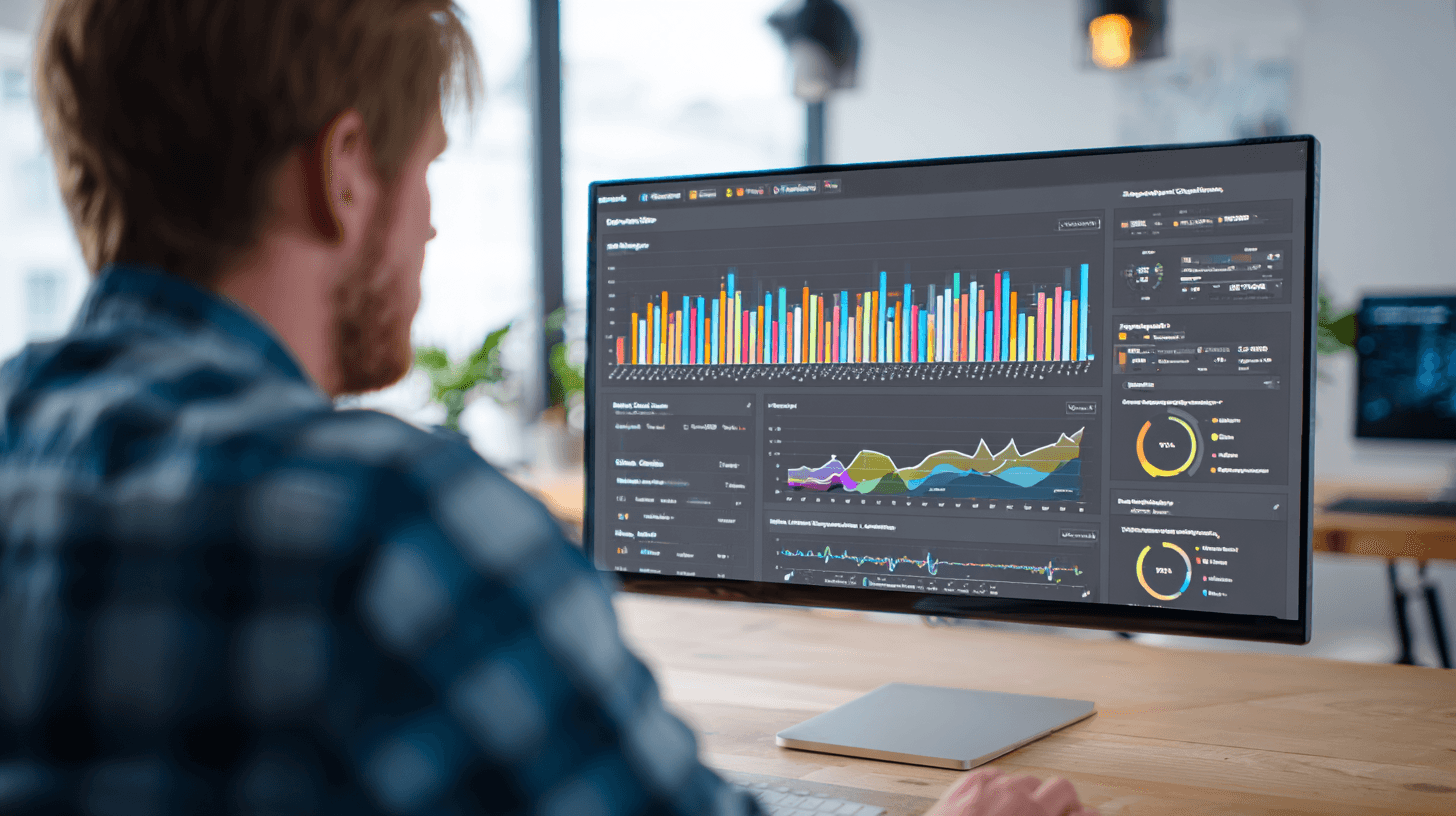
With Eventiqs, you gain access to real-time data that allows you to adjust your strategies instantly. Features like live interest mapping and booth traffic heat mapping reveal which areas are drawing crowds and which might need a new tactic. This kind of immediate feedback helps you optimize product placement, staff allocation, and messaging as the event unfolds.
The platform also tracks engagement across multiple channels, whether attendees scan a QR code, visit your website, or interact on social media. Its multi-channel lead capture ensures no opportunity slips through the cracks while maintaining a unified profile of each prospect. These real-time insights feed directly into lead qualification and follow-up plans, keeping your strategy agile and effective.
Automated Lead Scoring and Post-Event Analysis
Eventiqs simplifies identifying high-potential prospects by scoring leads based on their behavior, engagement, and alignment with your ideal customer profile. Thanks to its seamless CRM integration, these qualified leads are automatically added to your sales pipeline, complete with detailed context about their event interactions. Post-event nurture campaigns are triggered based on these insights, ensuring timely and personalized follow-ups.
When the event wraps up, Eventiqs tracks your ROI by measuring metrics like high-quality leads, scheduled meetings, and revenue directly tied to the trade show. Comprehensive pre- and post-event analytics provide a full picture of the attendee journey, offering the data you need to refine your approach for future events. By connecting psychological insights to tangible outcomes, Eventiqs ensures every aspect of your strategy is both informed and impactful.
Conclusion: Key Takeaways for Trade Show Success
Grasping the role of cognitive biases is a game-changer when it comes to crafting effective trade show strategies. By understanding how attendees think and make decisions, you can create experiences that naturally align with their tendencies instead of working against them.
Why Research Matters
Diving into cognitive biases uncovers consistent patterns in attendee behavior. These biases influence how people interact with booths, absorb information, and make purchasing choices in trade show settings.
This knowledge reshapes everything - booth design, messaging, and staff interactions. Instead of relying on guesswork, you can lean on psychological principles backed by research. Exhibitors who embrace these strategies often see better engagement, stronger lead generation, and improved ROI.
Steps to Turn Insights into Action
The most effective trade show strategies revolve around these behavioral insights. From strategic booth layout to concise, impactful messaging and well-trained staff, every detail matters. When your team understands these psychological triggers, they can pivot their approach on the fly to better connect with attendees.
Eventiqs: Bringing Bias-Based Strategies to Life
Eventiqs makes implementing these approaches easier by providing tools powered by data. With predictive analytics to anticipate attendee behavior, real-time metrics to track engagement, and automated lead scoring for seamless follow-up, Eventiqs ensures these insights translate into tangible results. This approach bridges the gap between understanding cognitive biases and achieving measurable business success.
FAQs
Q: How can exhibitors use cognitive biases to enhance their trade show strategies?
Exhibitors can tap into cognitive biases to shape attendee behavior and boost engagement at trade shows. For instance, the anchoring bias can be used by displaying premium features or high-value options upfront. This sets a strong benchmark in attendees' minds, influencing how they perceive the value of other offerings. Similarly, the recency effect can be leveraged by highlighting recent updates, special offers, or news, ensuring your message sticks with attendees.
Another powerful tactic is appealing to the loss aversion bias - presenting your products or services as solutions to prevent potential losses. This approach can prompt attendees to act quickly, driven by the desire to avoid missing out. By designing your booth, crafting your messaging, and planning interactions around these psychological principles, you can create a more engaging and memorable experience that fosters stronger connections and leads to meaningful conversions.
Q: How do booth design and placement impact attendee behavior at trade shows?
Booth design and location are crucial in influencing how attendees navigate trade shows. Positioning your booth in busy areas - like near entrances, intersections, or alongside well-known exhibitors - can significantly increase foot traffic.
An appealing booth layout with open spaces, clear signage, and eye-catching visuals invites attendees to pause and engage. Thoughtful use of colors, lighting, and sensory elements can leave a memorable impression, encouraging interaction and sparking connections. A well-planned booth setup and strategic placement can enhance engagement, strengthen relationships, and deliver tangible outcomes.
Q: How does Eventiqs use psychological insights to improve trade show results for exhibitors?
Eventiqs leverages psychological insights to help exhibitors connect with attendees on a deeper level. By studying attendee behavior and thought patterns, the platform pinpoints potential buyers, monitors engagement trends, and offers tailored recommendations to build stronger relationships.
With tools like real-time interest mapping and automated lead scoring, Eventiqs allows exhibitors to prioritize meaningful conversations, enhancing attendee experiences while driving better ROI.