Market Share Insights: AI-Powered Trade Show Analytics

Market Share Insights: AI-Powered Trade Show Analytics
AI-powered trade show analytics transforms event data into actionable market share insights. It tracks attendee behavior, booth traffic, and competitor performance in real-time, helping exhibitors understand their position in the market and adjust strategies on the spot. Unlike manual methods, AI provides immediate feedback, predictive analytics, and integrates seamlessly with CRMs to improve lead quality and ROI. Key benefits include:
- Real-time analysis: Adjust booth layout, messaging, or engagement efforts during the event.
- Competitive insights: Monitor competitor booth traffic and sentiment analysis for better positioning.
- Enhanced lead tracking: Automated scoring identifies high-potential prospects instantly.
- ROI measurement: Connect event efforts directly to revenue with predictive modeling.
Key Components of Market Share Insights from Trade Shows
To understand your market position during trade shows, you need to focus on analyzing specific data streams. While events today generate a massive amount of information, zeroing in on the right metrics can turn raw data into actionable insights.
Main Data Sources at Trade Shows
Trade shows offer a wealth of data, but not all of it is equally useful. Here are the key sources to focus on:
-
Attendee behavior patterns: Every interaction matters. From badge scans to the amount of time someone spends at your booth, these behaviors reveal interest levels. Heat mapping tools can even show which parts of your booth draw the most attention, helping you understand traffic flow.
-
Booth interaction metrics: This dives deeper into engagement quality. Metrics like dwell time, conversation depth, and digital interactions help separate serious prospects from casual visitors.
-
Session participation data: Attendance at keynotes, panels, or educational sessions can highlight what your audience cares about most. These insights can help you fine-tune your messaging to better address their needs.
-
Lead generation metrics: It’s not just about how many visitors you attract - it’s about who they are. Modern systems track lead sources, conversation topics, and even follow-up preferences, helping you identify prospects with real buying potential.
When these data sources are combined, AI can process the information and turn it into a clear picture of your market share and performance.
AI-Driven Analysis of Market Share Changes
AI takes these diverse data streams and transforms them into a cohesive market overview. By analyzing real-time metrics like booth traffic and engagement signals, it can pinpoint trends as they emerge. This means you can make quick, informed decisions during the event - adjusting strategies to stay in sync with shifting market dynamics.
Real-Time and Post-Event Reporting Benefits
Real-time analytics offer immediate insights into how your booth is performing. Metrics like foot traffic, entry scans, and crowd density help you identify issues or opportunities as they happen. For instance, if one area of your booth isn’t attracting attention, you can adjust resources on the spot.
Continuous monitoring also allows you to gauge the effectiveness of your campaigns in real time. By tracking feedback, queue lengths, or resource usage, you can ensure smooth operations and even make on-the-fly adjustments to improve service.
Real-time data can also reveal opportunities to boost revenue. For example, tracking time-based sales spikes or promoter activity can help you roll out upsell or cross-sell offers at just the right moment.
Meanwhile, post-event analysis provides a deeper look at your performance. Detailed reports can show which strategies delivered the most value and uncover areas for improvement. This kind of analysis lays the groundwork for better results at future events.
Using AI for Competitive Event Intelligence
Understanding your competitors is just as important as evaluating your own performance, especially if you want a clear picture of your market position. At trade shows, however, keeping tabs on competitors can be tricky. While you're busy managing your booth, gathering leads, and connecting with prospects, your competitors are doing the same just a few steps away. This is where AI steps in, offering a real-time, bird’s-eye view of the competitive landscape. These insights not only help you understand competitor strategies but also enable direct performance comparisons as the event unfolds.
Competitor Analysis with AI
AI platforms can track competitor activities in ways that go far beyond what manual methods can achieve. For instance, sentiment analysis processes social media chatter and attendee feedback to gauge how competitors are perceived. This real-time data helps you pinpoint which messages resonate with attendees and how competitors are positioning themselves.
Another powerful tool is booth traffic heat mapping, which visually displays crowd density and movement patterns around competitor booths. By analyzing foot traffic, dwell times, and peak engagement periods, AI can reveal which competitors are drawing the most attention and when their activity spikes.
AI also excels at predicting attendee interest by tracking behaviors like badge scans, session participation, and booth visits. This allows you to identify prospects who are engaging with multiple vendors. If a high-value prospect shows interest in a competitor’s booth, you can adjust your follow-up strategy accordingly to stay competitive.
With these insights in hand, the next logical step is to measure your performance directly against your competitors.
Comparing Performance Against Competitors
Platforms like Eventiqs make it possible to directly compare your event performance with that of your competitors. Metrics such as booth engagement, lead quality, and attendee retention are all tracked and analyzed.
For example, you can evaluate your lead conversion rates against industry averages or competitor benchmarks. If there’s a noticeable gap, you’ll know where to focus your improvement efforts.
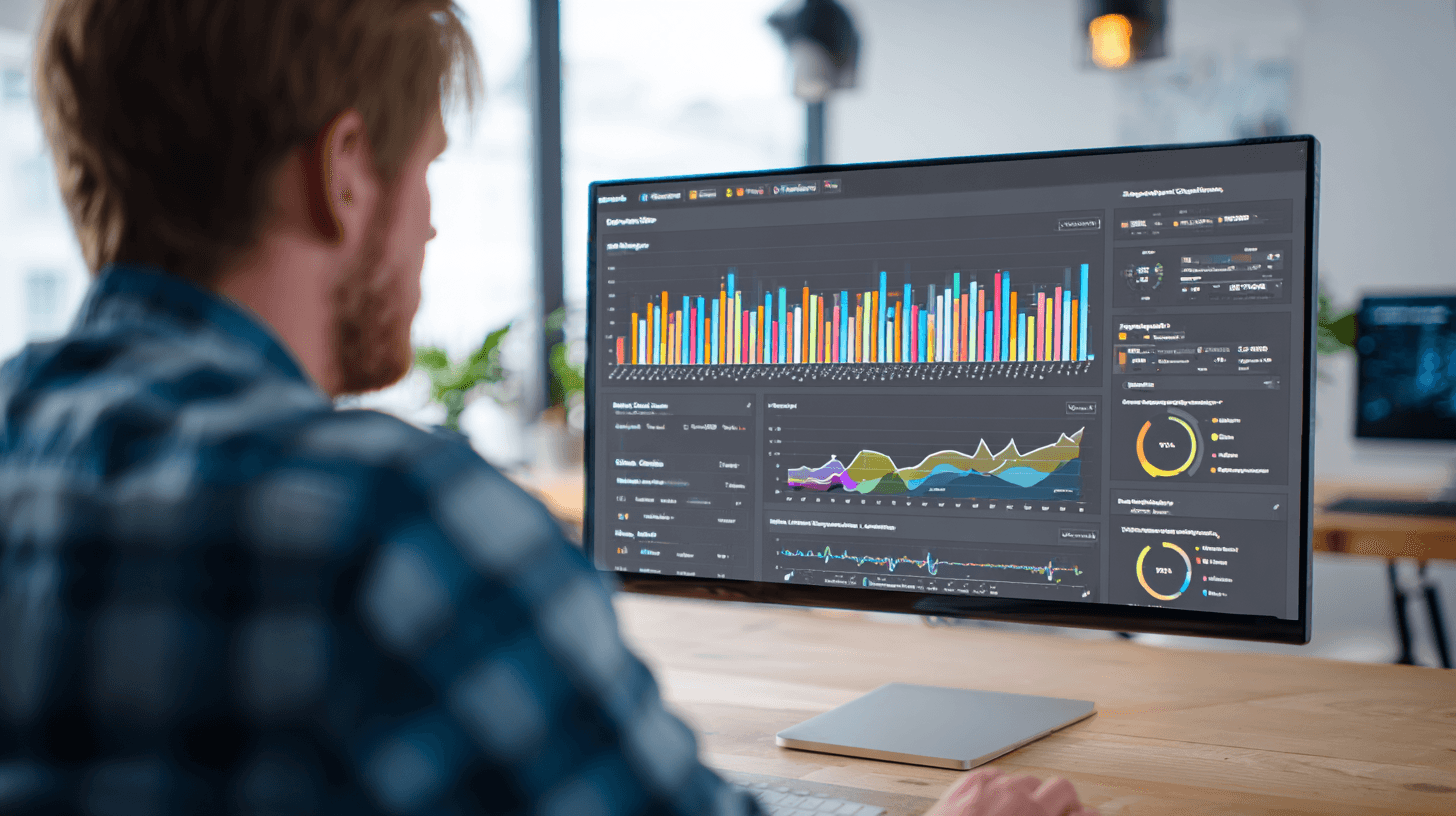
Real-time competitive dashboards take this a step further by displaying live comparative metrics during the event. If a competitor sees a surge in engagement, you’ll know immediately and can adjust staffing or promotional efforts on the fly to respond in real time.
Additionally, lead scoring tools help you identify high-priority prospects, especially those interacting with multiple vendors. This ensures you can act quickly to engage with leads who might otherwise slip through the cracks.
Old vs. AI-Powered Competitive Intelligence
The shift from traditional competitive analysis to AI-powered intelligence is a game-changer, as shown in the table below:
| Aspect | Traditional Methods | AI-Powered Approach |
|---|---|---|
| Data Collection | Manual observation, post-event surveys | Real-time automated tracking and sentiment analysis |
| Speed | Days or weeks | Instant insights |
| Data Accuracy | Prone to human error | Comprehensive and objective analysis |
| Scope | Limited to surface-level observations | In-depth behavioral and predictive insights |
| Actionability | Often too late to act | Enables immediate strategy adjustments |
| Resources | Labor-intensive and costly | Automated with minimal manual input |
In the past, competitive intelligence relied heavily on manual processes. Staff members would walk the trade show floor, jotting down notes about competitor booth designs or estimating foot traffic. This approach was not only time-consuming but also subjective and prone to errors.
AI-powered systems, on the other hand, work continuously during the event, processing vast amounts of data - everything from traffic patterns to social media sentiment. These systems deliver real-time insights, allowing you to respond immediately to competitive challenges or opportunities. Whether it’s tweaking your booth strategy or reallocating resources, AI ensures you’re always a step ahead.
What’s more, AI doesn’t just look at the present - it predicts future trends. By analyzing patterns, it can suggest the best times to make strategic moves, turning competitive intelligence into a proactive tool rather than a reactive one. This predictive edge can be the difference between keeping up with competitors and leaving them behind.
Measuring ROI and Lead Quality with AI
When it comes to trade shows, success often boils down to one key metric: revenue versus cost. However, traditional ROI calculations tend to fall short because they rely on incomplete data and manual tracking that can easily miss critical touchpoints. This is where AI steps in, automating data collection across multiple channels and delivering real-time insights. With AI, you’re not just looking at what has already happened - you’re gaining a clearer view of what’s likely to happen next.
AI-Driven ROI Calculations
AI takes ROI measurement to the next level by gathering and consolidating data from sources that were previously hard to track. Instead of relying on basic metrics like booth visits or the number of business cards collected, AI pulls data from CRM systems, social media activity, email campaigns, and website interactions to create a more complete picture of your event performance.
One of AI’s most powerful capabilities is its ability to track the entire customer journey. Imagine a prospect visiting your booth, engaging with your digital content, and later responding to your follow-up communications. AI connects all these interactions automatically, ensuring your ROI calculations capture both the immediate impact and the long-term revenue potential.
Predictive revenue modeling is another game-changer. By analyzing historical data alongside current lead behavior, AI can estimate future revenue, even for businesses with long sales cycles - a common scenario in B2B industries. This allows you to gauge ROI based on lead quality and conversion likelihood without waiting months for actual sales to materialize.
Data is the backbone of modern event planning, and AI is the spine that holds it all together. By leveraging AI, event organizers can make smarter decisions, optimize experiences, and measure ROI with precision. - John Montgomery, Chief Data Officer at NextGen Events
Improving Lead Quality with AI
AI doesn’t just help with ROI - it also ensures you’re focusing on the right leads. Automated lead scoring evaluates various data points, such as how long someone spent at your booth or which sessions they attended, to rank leads based on their likelihood to convert.
Platforms like Zoho CRM integrate seamlessly with event systems to track attendee interactions in real time. This integration enables highly personalized follow-ups. For example, if a prospect spends significant time at your booth and attends a related session, AI can trigger a tailored email referencing those specific interactions, making your outreach more relevant and impactful.
AI also excels at buyer-seller matchmaking. By analyzing attendee profiles, interests, and past behaviors, it identifies high-potential connections even before the event begins. This proactive approach lets your sales team focus on pre-qualified leads, improving both lead quality and conversion rates.
Detailed Insights for U.S. Exhibitors
For U.S.-based exhibitors, AI platforms offer insights tailored to the unique dynamics of American business practices and sales cycles.
Take Eventiqs, for example. This platform provides analytics that cover the entire event lifecycle. Before the show, it identifies key opportunities for visibility and predicts visitor behavior. During the event, real-time metrics and heat mapping highlight which areas of your booth are drawing the most interest. After the show, detailed ROI tracking links your trade show efforts directly to sales outcomes.
Omnichannel tracking is another critical feature for U.S. exhibitors managing complex sales processes. Eventiqs monitors interactions across email, social media, website visits, and in-person meetings, giving you a comprehensive view of how leads move through your sales funnel.
Additionally, competitive intelligence tools help exhibitors understand their market position. By comparing booth traffic, engagement metrics, and lead quality against industry benchmarks, you can refine your strategy and gain a clearer picture of your performance relative to competitors.
AI is revolutionizing the event industry by providing insights that were previously unattainable. It's no longer about just counting attendees; it's about understanding their behavior and preferences in real time. - Michelle Greene, Event Strategist and Founder of Event AI Solutions
With AI handling the heavy lifting of data analysis, ROI measurement is no longer a guessing game. Instead, it becomes a precise, actionable process. This allows exhibitors to focus on what truly matters: building relationships and closing deals. By combining automated data collection, predictive analytics, and real-time insights, AI transforms trade show strategies into powerful tools for success.
Best Practices for Implementing AI-Powered Trade Show Analytics
Making the most of AI-powered analytics at trade shows requires careful planning, seamless integration, and a focus on actionable outcomes. The difference between exhibitors who achieve measurable success and those who fall short often hinges on how effectively they prepare and execute their AI strategies. Here’s a closer look at some key practices to help you incorporate AI into every stage of your trade show approach.
Preparing for AI Integration
The backbone of successful AI implementation is data integration. Before your next event, take time to review your CRM, email marketing tools, website analytics, and event management systems. The goal? Build a unified data ecosystem where AI can pull insights from multiple sources.
Start by ensuring your CRM system can handle real-time data feeds. Many platforms offer API integrations that make it easier to connect with AI analytics systems. Map out data flows and establish clear quality control measures to ensure the information feeding your AI is accurate and reliable.
Equally important is privacy compliance, especially for exhibitors in the U.S. While GDPR often grabs headlines, states like California (CCPA) and Virginia (CDPA) have their own privacy laws. Work with your legal team to establish robust consent and data retention policies that align with these regulations.
Next, focus on staff training to get the most out of your AI tools. Equip your team with the skills to interpret predictive analytics dashboards, understand lead scoring algorithms, and turn AI-generated recommendations into practical booth strategies. Budget for not just the tools themselves but also for training, data migration, and any consulting support you might need.
Getting the Most from AI Insights Before, During, and After Trade Shows
AI can enhance every phase of your trade show strategy, starting long before the event begins.
Pre-event optimization should kick off weeks in advance. Tools like Eventiqs analyze historical data to predict visitor behavior, helping you fine-tune booth placement and identify key networking opportunities early. Predictive analytics can also guide your pre-show marketing efforts, tailoring messages to resonate with specific audience segments. For example, you might emphasize ROI-focused messaging for executives while showcasing product demonstrations for technical managers.
During the event, real-time analytics give you a competitive edge. Set up automated alerts for metrics like booth traffic, engagement quality, and competitor activity. These insights allow you to adjust your strategy on the fly. For instance, you could position your top salespeople in high-traffic areas identified by analytics or schedule key demos and meetings during peak visitor times to maximize impact.
Post-event follow-up is where AI can truly shine. Instead of sending generic emails, use AI insights to create personalized outreach based on each lead's specific interactions. Automating lead scoring helps your sales team focus on the most valuable prospects - those with high engagement levels, longer dwell times, or strong company profiles.
Understanding and Acting on Market Share Insights
Once AI has optimized your event performance, it can also help refine your broader competitive strategy.
AI-powered competitive intelligence goes beyond simple comparisons of booth traffic. Platforms track metrics like visitor demographics, engagement quality, and content performance across competitors. Use this data to identify gaps in your positioning and uncover new opportunities to stand out.
Market share trends become more apparent when AI analyzes attendee patterns and engagement metrics over time. For example, if overall event attendance grows but your booth traffic remains flat, it could indicate a loss of market share. AI can help pinpoint whether this is due to industry-wide shifts or specific competitor strategies.
With predictive market modeling, you can anticipate future trends. By combining historical data with current market indicators, AI provides a forward-looking view to guide decisions on product development, marketing, and event investments.
Finally, performance benchmarking against anonymized industry data offers valuable context. Tools like Eventiqs maintain databases that allow you to see how your lead conversion rates and other metrics compare to industry averages. This can validate your approach and highlight areas where you can improve.
The real power of AI lies in turning insights into action. Analytics are only as valuable as the strategies they inspire. Use these insights to sharpen your competitive positioning, drive market share growth, and ensure your trade show efforts deliver lasting results.
Conclusion and Key Takeaways
AI-powered platforms are revolutionizing trade show analytics, turning what once took weeks of manual effort into real-time, actionable insights.
How AI Changes Trade Show Analytics
AI has shifted trade show analytics from basic reporting to a tool for proactive decision-making. While traditional methods tracked surface-level metrics like booth visits or business cards collected, AI delves deeper - analyzing visitor behavior, engagement quality, and even competitive positioning. This allows exhibitors to make smarter, faster decisions that directly influence their market share and return on investment (ROI).
One of the biggest game-changers is AI’s predictive capabilities. These tools provide real-time insights, helping exhibitors adjust strategies on the fly. For example, AI can identify high-engagement areas or highlight top prospects in real time, giving exhibitors a chance to act immediately.
Competitive intelligence has also taken a leap forward. Instead of relying on simple observations, AI tools analyze competitor booth traffic, visitor demographics, and engagement trends. This real-time analysis of market share shifts offers an edge that was previously unattainable.
By pulling data from multiple sources - like CRM systems, website analytics, social media, and on-site interactions - AI creates a comprehensive view of event performance. This unified perspective helps businesses understand how trade shows contribute to broader goals.
Next Steps for Exhibitors
To fully harness the power of AI in trade show analytics, exhibitors need to take a structured approach. Here’s how to get started:
- Choose the Right Platform: Look for AI-powered tools like Eventiqs that align with your goals. Features like real-time attendee mapping, automated lead scoring, and competitive analysis can make all the difference.
- Integrate Your Systems: Ensure your AI platform works seamlessly with your CRM and marketing tools. This integration maximizes the value of your data.
- Train Your Team: Equip your staff with the knowledge to interpret AI insights and act on them effectively. Real-time dashboards and recommendations are only as good as the team using them.
Exhibitors who see AI analytics as more than just a reporting tool will lead the way in transforming trade show participation. From planning to follow-up, AI insights can improve lead quality, strengthen competitive positioning, and drive measurable growth in market share.
The bottom line? AI has already reshaped trade show analytics. Businesses that embrace this technology now will leave outdated methods - and their competitors - far behind.
FAQs
Q: How does AI-powered trade show analytics improve the speed and accuracy of market share insights compared to traditional methods?
AI-Powered Trade Show Analytics: Transforming Market Insights
AI-driven trade show analytics are changing the game for businesses looking to understand market dynamics. By using advanced algorithms, AI can sift through enormous datasets in real-time, delivering insights with impressive precision - sometimes reaching forecast accuracy as high as 95%.
This combination of speed and accuracy allows businesses to spot trends, analyze attendee behavior, and gauge competitor performance while the event is still happening. With instant, actionable insights, exhibitors can adapt strategies on the fly, make smarter decisions, and maintain a competitive edge in fast-paced trade show environments.
Q: What key metrics should trade show exhibitors track to get the most value from AI-powered real-time and post-event analytics?
To get the most out of AI-powered analytics, exhibitors should keep an eye on critical metrics such as booth traffic, dwell time, and attendee engagement - things like session attendance and interactions with content. These numbers offer valuable insights into what grabs visitors' attention and how they behave.
On top of that, monitoring lead quality, conversion rates, and how well follow-up actions perform can help gauge ROI and fine-tune engagement strategies. Leveraging both real-time data during the event and post-event analysis enables exhibitors to make smarter decisions and enhance their performance at future trade shows.
Q: How can AI-powered tools integrate with CRM systems to enhance lead quality and measure ROI at trade shows?
AI-powered tools can work hand-in-hand with CRM systems to make lead management at trade shows more efficient and boost your return on investment (ROI). With real-time data synchronization, these tools capture attendee interactions on the spot and immediately transfer them to your CRM. This means your team can act quickly with timely follow-ups, keeping potential leads engaged.
One standout feature is automated lead scoring. AI analyzes attendee behavior to rank leads based on quality, helping you focus on the most promising prospects and saving valuable time. On top of that, AI can craft personalized follow-up communications - like tailored emails or messages - to keep leads interested and engaged after the event. This integration doesn’t just enhance the quality of your leads; it also delivers actionable insights into your ROI, giving you the data you need to refine your trade show strategy for the future.