Future of Trade Exhibitions 2030: Emerging Technologies and Market Opportunities
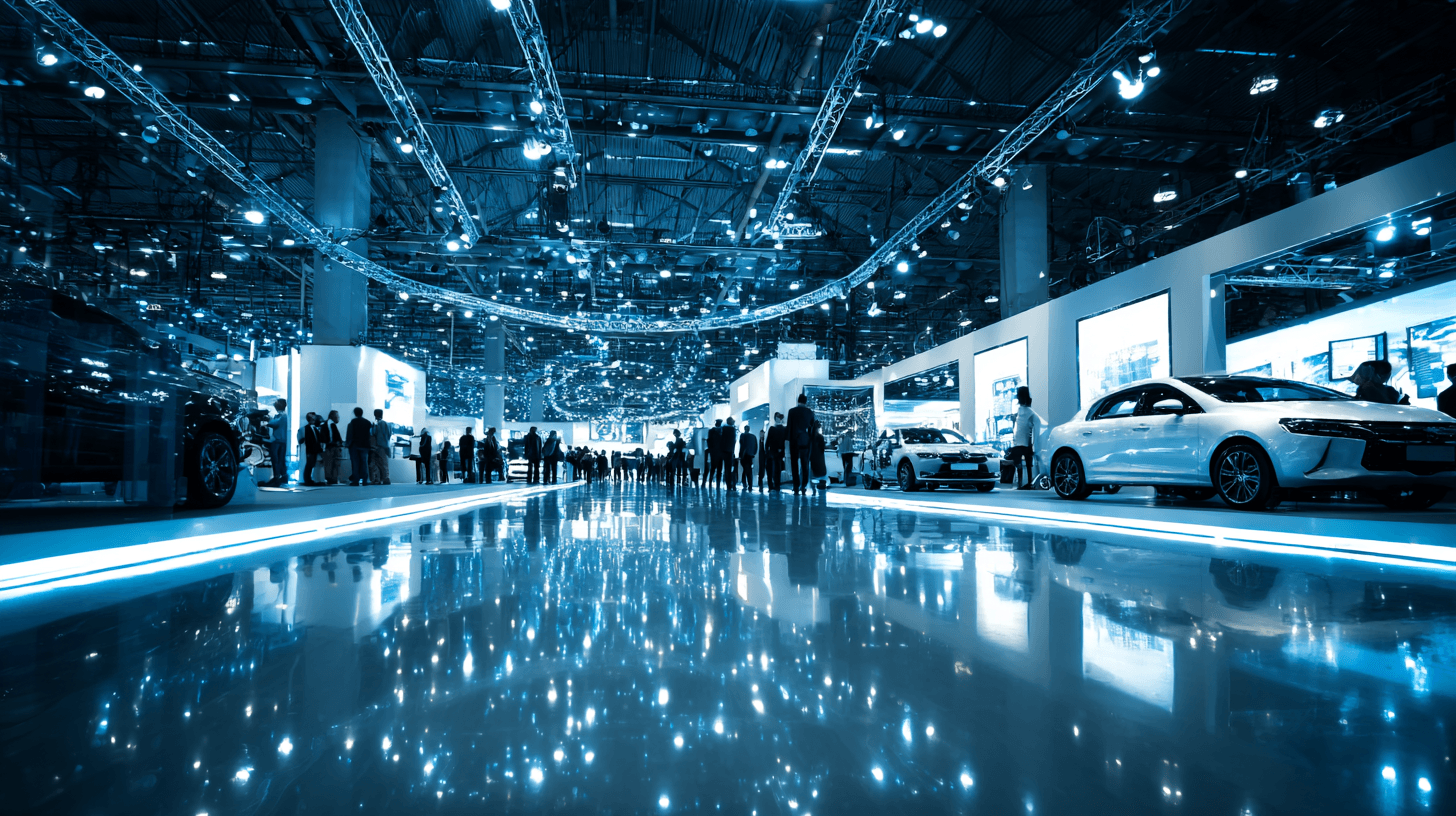
Future of Trade Exhibitions 2030: Emerging Technologies and Market Opportunities
By 2030, trade shows will be driven by AI, immersive tools like AR/VR, and advanced data analytics, transforming how businesses connect and measure success.
Here’s what you need to know:
- AI: Automates matchmaking, lead scoring, and real-time attendee behavior analysis for better results.
- Immersive Tech: Tools like virtual booths, AR, and digital twins enhance product demos and global accessibility.
- Data Analytics: Heat maps, multi-channel tracking, and real-time metrics provide actionable insights for exhibitors and organizers.
- Market Opportunities: Tailored sponsorships, data monetization, and hybrid event models cater to evolving buyer expectations.
The future of trade shows is all about precision, interaction, and measurable outcomes. Companies that leverage these technologies will save time, improve engagement, and maximize ROI.
AI-Powered Trade Show Intelligence
Artificial intelligence is reshaping how exhibitors connect with prospects and track their success at trade shows. Instead of relying on chance meetings or gut instincts, AI-driven platforms analyze attendee data to create strategic connections and predict behaviors, making every interaction count.
This shift tackles a long-standing problem: getting the most out of trade show investments. Traditional methods often left exhibitors spending thousands on booth space without clear insights into which attendees were most likely to convert. AI changes the game by offering targeted recommendations that help exhibitors allocate their resources more effectively.
AI Matchmaking and Automated Lead Scoring
AI matchmaking systems dig deep into attendee data to forge meaningful connections between exhibitors and attendees. By analyzing registration details, browsing habits, company profiles, and stated interests, these platforms identify the best matches even before the event begins. This ensures exhibitors are equipped to connect with the right people at the right time.
Automated lead scoring takes this a step further by ranking prospects based on their likelihood to convert. These systems evaluate factors like company size, budget indicators, decision-making authority, and engagement levels, assigning a score to each lead. This allows exhibitors to focus their efforts on high-priority prospects, making their outreach more efficient and impactful.
For example, Eventiqs’ AI recommendation engine excels at pinpointing high-value prospects. By automating lead scoring, the platform helps exhibitors zero in on visitors most likely to convert, ensuring their time and energy are spent on the conversations that truly matter.
AI matchmaking also brings broader benefits. Predictive analytics offer insights into visitor behavior patterns, helping exhibitors optimize booth placement and timing to maximize visibility and engagement.
Additionally, pre-event targeting empowers exhibitors to reach out to matched prospects before the show even begins. This proactive strategy helps schedule meetings, build interest, and ensure key connections don’t get lost in the hustle of a busy exhibition floor. The result? More productive interactions and higher conversion rates.
Real-Time Analytics for Attendee Behavior
AI doesn’t stop at pre-event planning - it continues to refine engagement during the trade show itself. Real-time analytics provide exhibitors with up-to-the-minute insights into how attendees interact with their booth and marketing materials. This allows for on-the-fly adjustments that keep engagement levels high.
Heat mapping technology is particularly useful, showing which areas of a booth attract the most attention and where visitors linger the longest. This helps exhibitors identify the most effective parts of their setup and pinpoint areas needing improvement for future events. It also reveals bottlenecks or spots where visitors lose interest, offering opportunities to fine-tune the experience.
Multi-channel engagement tracking follows attendees across various touchpoints during the event. Whether it’s interactions with digital displays, product demos, literature downloads, or conversations with staff, this tracking builds a detailed profile of each visitor’s preferences and buying intent.
Eventiqs’ real-time performance metrics dashboard is a standout tool, offering exhibitors a clear view of booth traffic and attendee interest levels throughout the event. Its heat mapping capabilities highlight where visitors gather and how long they stay, providing actionable insights to optimize booth performance.
Behavioral prediction models use historical and current data to forecast follow-up interest. This allows exhibitors to tailor post-event outreach based on each prospect’s demonstrated interests, making follow-ups more relevant and effective.
Integrating CRM systems with real-time analytics ensures all attendee interactions are captured and organized seamlessly. This eliminates the need for time-consuming manual data entry after the event, freeing up sales teams to focus on building relationships instead of dealing with administrative tasks.
Finally, competitive intelligence tools give exhibitors an edge by tracking attendee traffic at competing booths. This data helps exhibitors identify gaps in competitors’ offerings and highlight their own unique strengths, enabling quick adjustments to stay ahead in the market.
Virtual, Augmented, and Mixed Reality Experiences
Thanks to AI-driven attendee insights, immersive technologies like VR, AR, and MR are reshaping how exhibitors engage with audiences. These tools turn static spaces into dynamic environments, breaking down physical limitations and creating experiences that were once unimaginable.
By using these technologies, exhibitors can offer visitors the chance to explore entire product lines, observe manufacturing processes, or even interact with services in ways that go far beyond the constraints of a physical booth. Traditional setups often struggle to display complex products or provide detailed explanations due to space and time constraints. Immersive technologies solve this by transporting attendees into virtual spaces where they can engage with products and services more deeply.
This shift aligns perfectly with modern attendee expectations. In today’s digital-first world, static brochures and conventional presentations struggle to hold attention. People now expect interactive and engaging experiences.
Virtual Booths and Digital Twins
Virtual booths remove the physical boundaries of exhibition spaces, creating digital environments accessible through VR headsets or even web platforms. These virtual spaces can be explored during live events or remotely, making it easier for global audiences to participate - even if they can’t attend in person.
Digital twin technology takes this a step further, offering precise virtual replicas of physical products, facilities, or systems. These twins allow attendees to interact with complex machinery, explore building interiors, or understand intricate processes without needing a physical demonstration.
For example, manufacturing companies can use digital twins to showcase entire production lines without lugging heavy equipment to the event. Visitors can virtually tour factories, see machinery in action, and grasp complex workflows - something that’s simply not feasible in a traditional booth setting.
Virtual environments also boost accessibility. International attendees save on travel costs, and those with mobility challenges or packed schedules can engage with exhibits on their own terms. Plus, virtual booths offer exhibitors valuable data collection opportunities. Every visitor interaction can be tracked and analyzed, providing insights into behavior, interests, and engagement levels - critical for planning follow-ups and future events.
Customization is another huge advantage. Virtual booths can adapt to different audiences, highlighting specific product lines, adjusting technical details for varying expertise levels, or even presenting information in multiple languages - all within the same space.
While virtual booths expand possibilities, immersive demonstrations bring products to life in a way that feels tangible and personal.
Interactive Product Demonstrations
AR and VR technologies are transforming product demonstrations by making them interactive and hands-on. Attendees can operate virtual machinery, test software, or explore product features in guided sessions that feel practical and engaging.
Augmented reality overlays add a new layer of depth to physical products. By pointing a smartphone or tablet at equipment, visitors can instantly view technical specs, maintenance guides, or performance data. This approach blends the physical and digital worlds, offering the best of both.
Immersive demonstrations are especially useful for explaining complex products. Software platforms can be explored in VR simulations that mimic real-world scenarios. Medical devices can be demonstrated without regulatory or safety concerns. Even construction equipment can be operated virtually, giving attendees a firsthand experience without requiring training or safety gear.
Collaborative virtual experiences take things further. Multiple attendees can join a single demonstration, guided by sales teams who provide real-time answers and tailor presentations to audience interests. This strategy ensures consistent messaging while maximizing the reach of limited staff.
The emotional connection created during immersive demonstrations is powerful. When attendees actively engage with products rather than passively watching presentations, they’re more likely to remember the experience and feel a stronger connection to the brand. This often translates to higher purchase intent.
Adding training elements to demonstrations can also make a big impact. Instead of just showcasing a product, exhibitors can offer mini-training sessions to help attendees understand how to implement it, use it effectively, and see its potential applications. This positions the exhibitor as a trusted advisor, not just a vendor.
Finally, mixed reality environments combine the physical and digital worlds to create hybrid experiences. For instance, attendees might handle physical product parts while using AR to view assembly instructions, performance data, or customization options. This blend of tangible and digital elements delivers a comprehensive and memorable experience.
Advanced Data Analytics and Real-Time Performance Metrics
Building on AI-powered matchmaking and immersive event experiences, advanced analytics now provide organizers with real-time insights that can drive immediate, impactful decisions. While immersive technologies captivate attendees, the real game-changer lies in analyzing their behavior to uncover actionable trends.
This shift toward data-driven decision-making has transformed the way trade shows operate. Instead of relying on hunches, exhibitors and organizers now rely on precise data to guide their strategies. Modern analytics platforms track every interaction, enabling exhibitors to tweak their messaging on the fly, optimize booth layouts, and allocate resources more effectively. Event organizers, in turn, can use these insights to refine floor plans, enhance attendee experiences, and showcase measurable value to sponsors and exhibitors.
By leveraging this data, trade shows can achieve a new level of precision, mapping attendee behavior and gathering insights across multiple channels to boost overall performance.
Behavior Mapping and Heat Mapping
Heat mapping technology provides a detailed view of attendee movement and engagement across the exhibition floor. Using tools like RFID tracking, beacon technology, and computer vision, these systems create color-coded maps that highlight high-traffic areas in warm colors like red and orange, while less active zones appear in cooler shades like blue and green.
This data is a game-changer for booth placement. Exhibitors can identify which spots consistently attract the most visitors and adjust their strategies accordingly. While areas near entrances, food courts, or popular keynote stages often see more activity, heat maps can also reveal surprising patterns that challenge conventional assumptions.
Beyond movement, dwell time and engagement depth mapping provide insights into the quality of interactions. For instance, a booth might draw a crowd but show short dwell times, signaling that while people stop by, they aren’t staying long enough to engage deeply. Tracking these metrics helps exhibitors pinpoint what’s working and what needs improvement - whether it’s the booth design, messaging, or staff interaction.
Real-time heat mapping allows for on-the-spot adjustments during the event. If certain areas are underperforming, organizers can redirect traffic with strategic signage, entertainment, or schedule tweaks. Similarly, exhibitors can fine-tune their approach based on live visitor patterns instead of waiting for post-event reports.
This technology also uncovers visitor journey patterns, showing how attendees navigate the space. Some may take a methodical approach, visiting booths in a logical sequence, while others jump between areas based on specific interests. Understanding these behaviors helps exhibitors better time their presentations and ensure staff availability aligns with peak traffic flows.
Multi-Channel Engagement Tracking
Tracking attendee interactions across multiple channels is just as important as understanding their movements. Omnichannel tracking connects the dots between pre-event digital interactions, on-site engagement, and post-event follow-ups, giving exhibitors a full picture of each attendee's journey.
With cross-platform attribution, exhibitors can see how various touchpoints contribute to success. For example, an attendee might first learn about a company through a LinkedIn ad, explore their website, visit their booth at the trade show, and later request a demo. This data helps exhibitors identify which channels and interactions lead to conversions, allowing them to refine their strategies.
Social media monitoring during the event adds another layer of insight. When attendees post photos, share reviews, or tag exhibitors on social platforms, these interactions provide real-time feedback on attendee sentiment and brand perception. It’s an unfiltered glimpse into how people are experiencing the event.
Lead scoring algorithms further enhance attendee data by identifying the most promising prospects. Instead of treating every visitor the same, these systems assign scores based on factors like engagement depth, interaction frequency, and specific behaviors. For example, a visitor who downloads resources, attends presentations, and spends significant time at a booth would score higher than someone who just scans a badge.
To make this data actionable, CRM integration ensures that all trade show interactions are seamlessly added to ongoing customer profiles. This means sales teams have immediate access to detailed interaction histories, making follow-up conversations more personalized and effective.
Real-time dashboards bring all these insights together, displaying engagement metrics as they happen. If a particular type of content or presentation is resonating with attendees, exhibitors can pivot mid-event to focus on what’s working. Similarly, if certain attendee segments show strong interest, sales teams can prioritize those groups for follow-ups.
When combined, behavior mapping and multi-channel tracking provide a complete, real-time view of trade show performance, empowering exhibitors and organizers to make smarter, faster decisions.
Market Opportunities from New Technologies
The integration of AI-driven insights and immersive technologies is opening up new possibilities in the trade show industry. These tools, alongside advanced analytics, are reshaping how events operate, introducing fresh revenue streams and business models. This transformation builds on earlier advancements in AI and real-time data analysis, pushing the industry into a more dynamic and data-focused era.
The move away from conventional methods toward personalized, data-informed strategies has created a landscape where information is as valuable as the products being showcased. Event organizers now have access to extensive attendee behavior data, while exhibitors can target their audience with precision comparable to digital advertising platforms.
Targeted Sponsorships and Data Monetization
Detailed attendee data has completely redefined sponsorship opportunities. Instead of offering broad, one-size-fits-all packages like "platinum sponsor", organizers can now create tailored sponsorships based on actual attendee interests and behaviors.
Using tools like heat mapping, organizers can identify high-traffic areas and offer sponsors premium placement in those zones. Sponsorships can also extend to digital content delivery, where companies pay to target attendees who've shown specific interests. This shift to performance-based sponsorships has not only increased sponsor satisfaction but also brought in more revenue for organizers.
Another lucrative opportunity is data licensing. Anonymized insights into attendee behavior, engagement trends, and industry patterns can be sold to research firms, market analysts, and other interested parties. By ensuring proper anonymization, organizers can monetize this data while respecting attendee privacy.
Real-time bidding and micro-sponsorships are making premium exposure more accessible to smaller businesses. For instance, a cybersecurity startup might sponsor AI-driven content recommendations targeted at IT decision-makers, while a logistics firm could focus on supply chain professionals based on booth interactions.
Additionally, cross-event data aggregation allows organizers to offer sponsorships that span multiple events. By tracking attendee behavior across various trade shows, sponsors can maintain year-round engagement through targeted campaigns informed by this data.
Changing Expectations of B2B Buyers and Sellers
These technological advances aren’t just changing processes - they’re also raising the bar for buyer expectations. In the U.S., B2B buyers are increasingly influenced by the seamless, personalized experiences they encounter in their personal digital lives. Now, they expect the same from trade shows.
Modern buyers want control over their discovery process. This means access to detailed self-service research tools, pre-qualified meeting options, and smooth integration across all channels. Exhibitors are responding by investing in digital content libraries, interactive product demos, and on-demand presentations to meet these demands.
Time is a premium for American business professionals, and they expect trade shows to respect that. Features like AI-powered agenda optimization and instant access to relevant information are becoming non-negotiable. Events that fail to deliver efficient, tailored experiences risk losing attendee interest.
Buyers also expect personalized follow-ups - quickly. If they’ve downloaded a whitepaper, attended a webinar, or interacted with online content, they want booth staff to have that information on hand and respond with relevant materials the same day.
Social proof and peer validation now play a bigger role in decision-making. Buyers want to see real-time social media updates, peer reviews, and case studies showcasing how similar businesses are using products or services. Vendor pitches alone no longer suffice.
The shift toward hybrid engagement is another critical trend. Post-pandemic, buyers expect the flexibility to participate in events both in person and virtually, depending on their schedules. This has created demand for seamless hybrid experiences, where virtual attendees feel as engaged and valued as those on the show floor.
The democratization of information has also shifted the dynamics of trade shows. Buyers often arrive well-informed about products and competitors, expecting vendors to go beyond basic product details. Instead, they look for strategic advice and tailored solutions, which has raised the bar for booth staff expertise.
Finally, there’s a growing focus on measurable ROI. Both exhibitors and attendees want clear metrics to justify their trade show investments. They’re looking for detailed analytics on time spent, connections made, and business outcomes achieved. This demand has driven widespread adoption of advanced tracking and measurement tools.
As these expectations evolve, companies that adapt quickly are gaining an edge. By embracing new technologies and aligning with shifting buyer behaviors, these businesses are capturing greater market share. On the other hand, those sticking to outdated methods are finding it harder to compete in this rapidly changing landscape.
Practical Strategies for Future-Ready Event Marketing
As trade shows evolve with technology, businesses need a thoughtful approach to blend innovation with practicality. Gradual integration of technology can boost lead quality, engagement, and ROI while ensuring a smooth transition for teams.
Implementing AI-Powered Event Intelligence
A strong foundation for modern event marketing starts with smarter data collection and analysis. Move beyond basic badge scanning to systems that track meaningful attendee behaviors, such as time spent at booths, content interactions, and quality of engagement - not just the number of contacts collected.
For instance, Eventiqs uses AI-driven matchmaking to identify high-value prospects before the event even begins. Its predictive analytics help businesses optimize booth placement and staffing based on anticipated traffic patterns. This kind of pre-event intelligence is especially helpful for companies working with tight budgets.
AI also simplifies lead management. Automated systems can qualify leads in real time by assessing engagement levels, company fit, and buying signals. This allows sales teams to focus on prospects most likely to convert, speeding up post-event outreach.
Connecting these insights with CRM systems ensures that valuable trade show data translates directly into actionable sales opportunities. This eliminates the common issue of leads getting lost between marketing and sales handoffs.
Start small by using AI for booth placement and lead scoring, then expand into more advanced tools like competitive intelligence and heat mapping as your team gains confidence. Remember, the goal is to support human decision-making - not to replace it.
Once AI insights are in place, immersive technologies can take attendee engagement to the next level.
Adding Immersive Technologies
Virtual and augmented reality (VR and AR) can make a big impact when used thoughtfully. The key is to focus on solving specific challenges, such as demonstrating large industrial equipment or complex software in ways that traditional methods can’t match.
For example, digital twins - virtual replicas of physical products - can help overcome logistical hurdles in product demonstrations. These tools allow attendees to explore intricate details without needing the actual product on-site.
Success with immersive technology depends heavily on preparation. Your team must be trained to guide attendees through virtual experiences while fostering meaningful conversations about real-world business applications. It’s not just about showing off cool tech - it’s about connecting it to your audience’s needs.
Mixed reality, which blends physical and digital elements, offers unique opportunities. Instead of creating entirely virtual environments, AR can enhance your existing booth by overlaying technical specs on physical products or providing interactive troubleshooting guides. These features can even remain accessible after the event, extending their value.
For companies on a budget, starting with mobile-based AR apps that attendees can use on their smartphones is a cost-effective way to experiment before investing in more expensive VR hardware. When paired with AI insights, immersive tech doesn’t just captivate - it delivers measurable results.
With these tools in place, tracking the right metrics becomes critical to refining and improving your strategy.
Measuring Success with Data-Driven Metrics
Traditional metrics like booth traffic are no longer enough. Instead, focus on measures that reveal real business impact, such as engagement quality and how quickly leads move through your sales pipeline.
For example, rather than just tracking immediate post-show conversions, monitor how trade show leads progress over six to twelve months. This long-term view provides a clearer picture of your event’s true ROI and helps shape future strategies.
Cost per qualified lead is another essential metric. By focusing on leads that meet specific criteria - like budget authority or buying intent - you can better evaluate performance and allocate budgets more effectively.
Engagement scores offer deeper insights into attendee interest. These scores combine multiple data points, such as booth dwell time, content downloads, follow-up meeting requests, and social media interactions. Companies using this approach often see improved efficiency in post-event sales follow-ups.
As trade shows become more integrated with digital marketing, multi-channel attribution is key. The most effective systems track how trade show interactions influence behaviors across email campaigns, website visits, and social media, giving you a complete view of the customer journey.
Real-time performance dashboards are another game-changer. These tools let exhibitors make adjustments during the event, such as tweaking booth activities or reallocating staff based on what’s driving the most engagement. This on-the-fly adaptability can significantly boost outcomes.
Finally, set benchmark metrics before introducing new technologies and track improvements over time. This validates your investments and ensures your strategies are continually fine-tuned for success. By combining AI and immersive technologies with clear metrics, businesses can confidently navigate the shift toward technology-driven trade shows.
Conclusion: Preparing for the Future of Trade Exhibitions
By 2030, trade shows will be shaped by AI-driven tools, immersive technologies, and real-time analytics, creating opportunities for businesses to achieve measurable results. Companies that embrace these advancements will position themselves ahead of the curve, paving the way for a more engaging and impactful trade show experience.
AI is transforming event marketing by focusing on precision rather than broad outreach. Tools powered by AI can identify high-value prospects before the event even begins, while real-time analytics provide actionable insights to fine-tune strategies on the spot. This shift turns trade shows into targeted business opportunities rather than just large-scale networking events.
Immersive technologies - such as virtual booths, digital twins, and mixed reality - are emerging as key tools to stand out in a crowded marketplace. But their success hinges on thoughtful use, addressing real business needs rather than just showcasing flashy tech. The most effective strategies seamlessly combine physical and digital interactions to drive meaningful engagement and measurable results.
Perhaps the most transformative change lies in data-driven performance metrics. Traditional measures like booth traffic are being replaced with advanced tools that score engagement, track multi-channel attribution, and measure long-term ROI. These capabilities empower businesses to make smarter decisions about their event investments and continuously improve their strategies based on real-world outcomes.
To make the most of these innovations, a phased approach works best. Start with foundational AI tools for lead scoring and booth optimization. Then, gradually incorporate immersive technologies and advanced analytics to enhance your efforts. Remember, the goal isn’t to replace human interactions but to make them more meaningful and productive.
FAQs
Q: How does AI-powered matchmaking and lead scoring make trade show interactions more effective?
AI-driven matchmaking and lead scoring are changing the game at trade shows by analyzing attendee behavior and engagement data. These tools help exhibitors pinpoint and prioritize the most promising leads, allowing them to focus their efforts on prospects with the highest potential to convert. The result? Less wasted time and better outcomes.
By automating lead qualification and delivering personalized suggestions, AI tools not only streamline the process but also boost attendee engagement. This helps businesses forge stronger B2B connections. Research even shows that these technologies can boost conversion rates by as much as 30%, making them a powerful tool for maximizing ROI at trade shows.
Q: How do virtual booths and digital twins benefit trade exhibitions and improve attendee engagement?
Virtual booths and digital twins are transforming trade exhibitions by offering engaging, interactive experiences that leave a lasting impression. These tools let attendees explore products and services in a way that feels dynamic and exciting, helping businesses stand out in a crowded space.
What’s more, they deliver real-time insights into attendee behavior, giving exhibitors valuable data to fine-tune their approach and boost their return on investment. On top of that, virtual booths cut down on logistical headaches, lowering costs and making events accessible to a wider audience. By blending cutting-edge technology with practicality, these solutions elevate attendee involvement and help build strong business relationships.
Q: How do advanced data analytics and real-time performance metrics redefine success measurement at trade shows?
Advanced Data Analytics and Real-Time Metrics in Trade Shows
The way businesses measure success at trade shows is being transformed by advanced data analytics and real-time performance metrics. These tools allow companies to monitor attendee behavior, engagement levels, and booth interactions as they happen, offering immediate insights to tweak strategies on the spot.
For instance, analytics can pinpoint which products or services capture the most attention. Meanwhile, performance metrics - like lead conversion rates or session attendance - paint a clear picture of the event's return on investment (ROI). By using this data, businesses can make smarter decisions, ensuring each trade show delivers measurable outcomes and fosters stronger B2B connections.